In-Service Teacher Training Programme





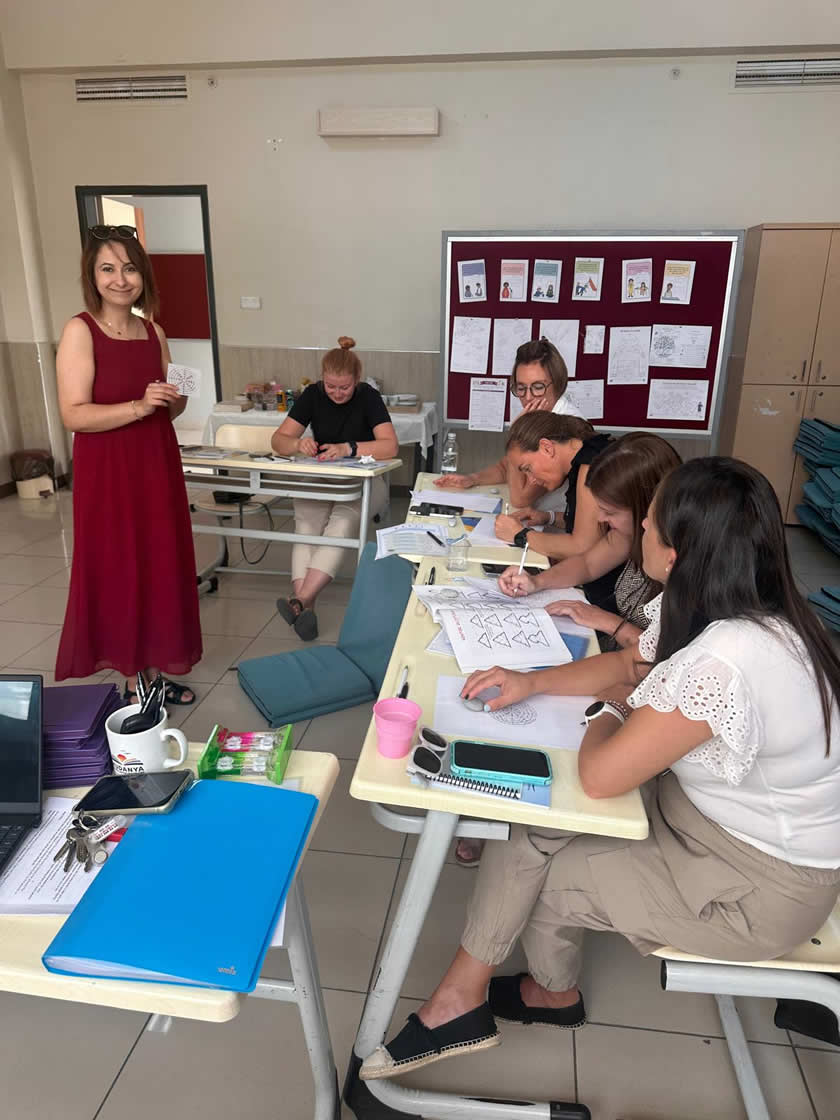
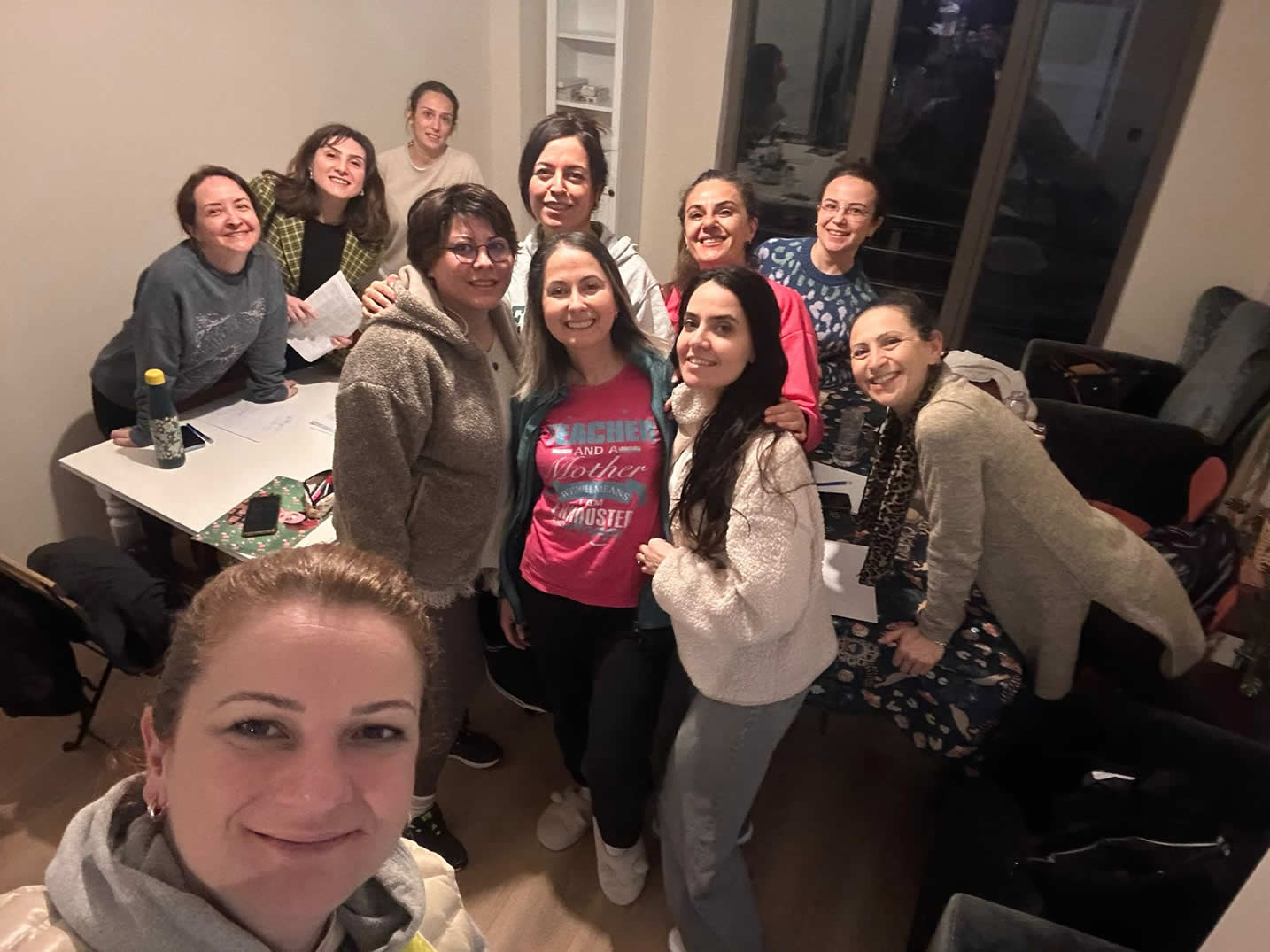


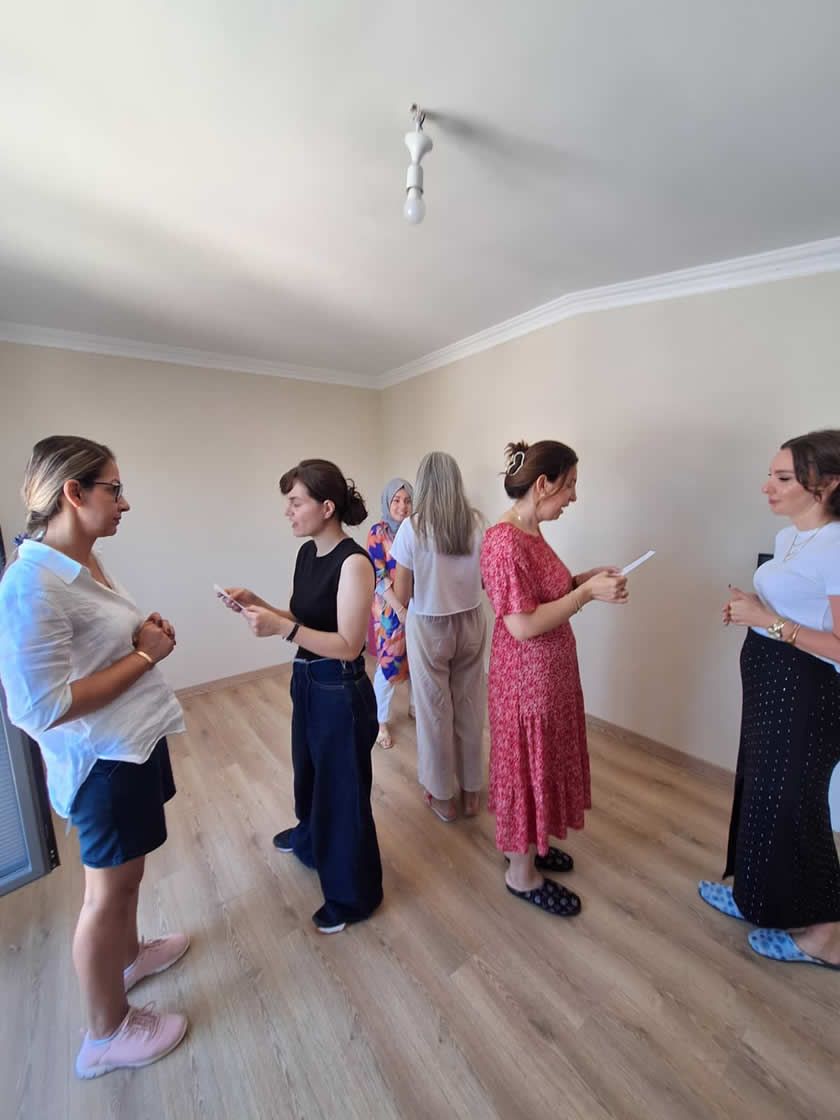

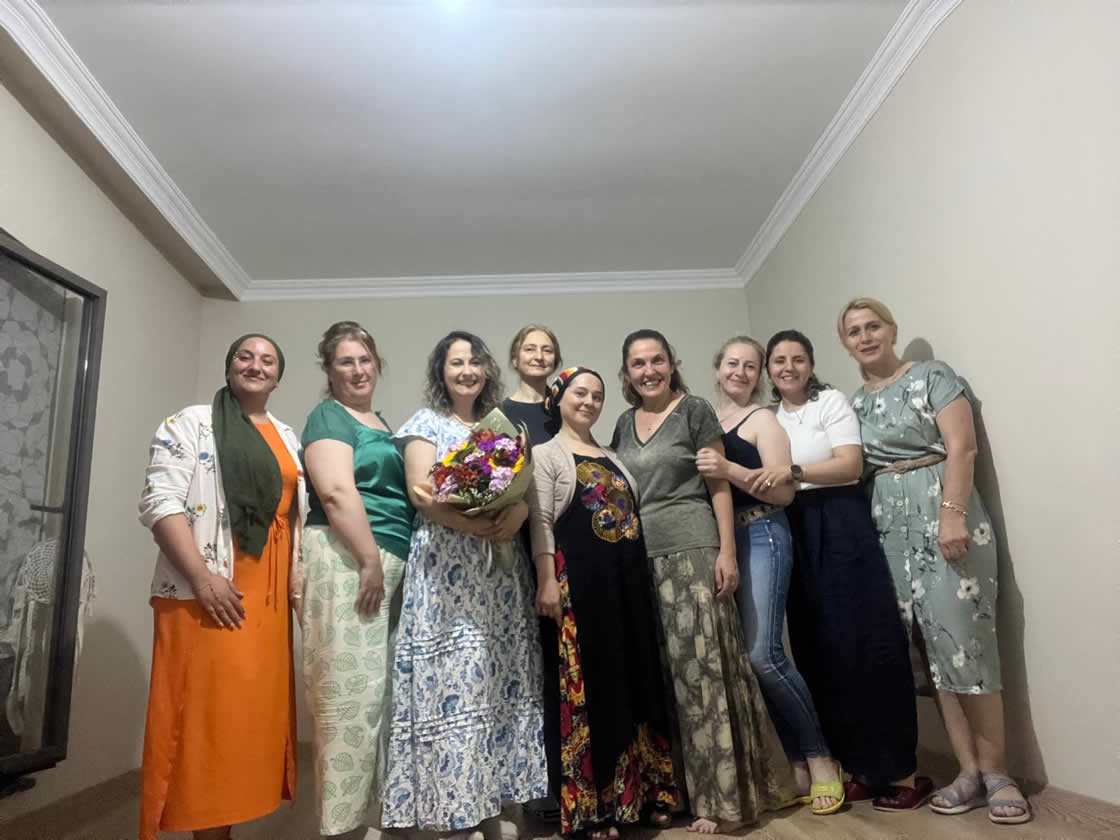

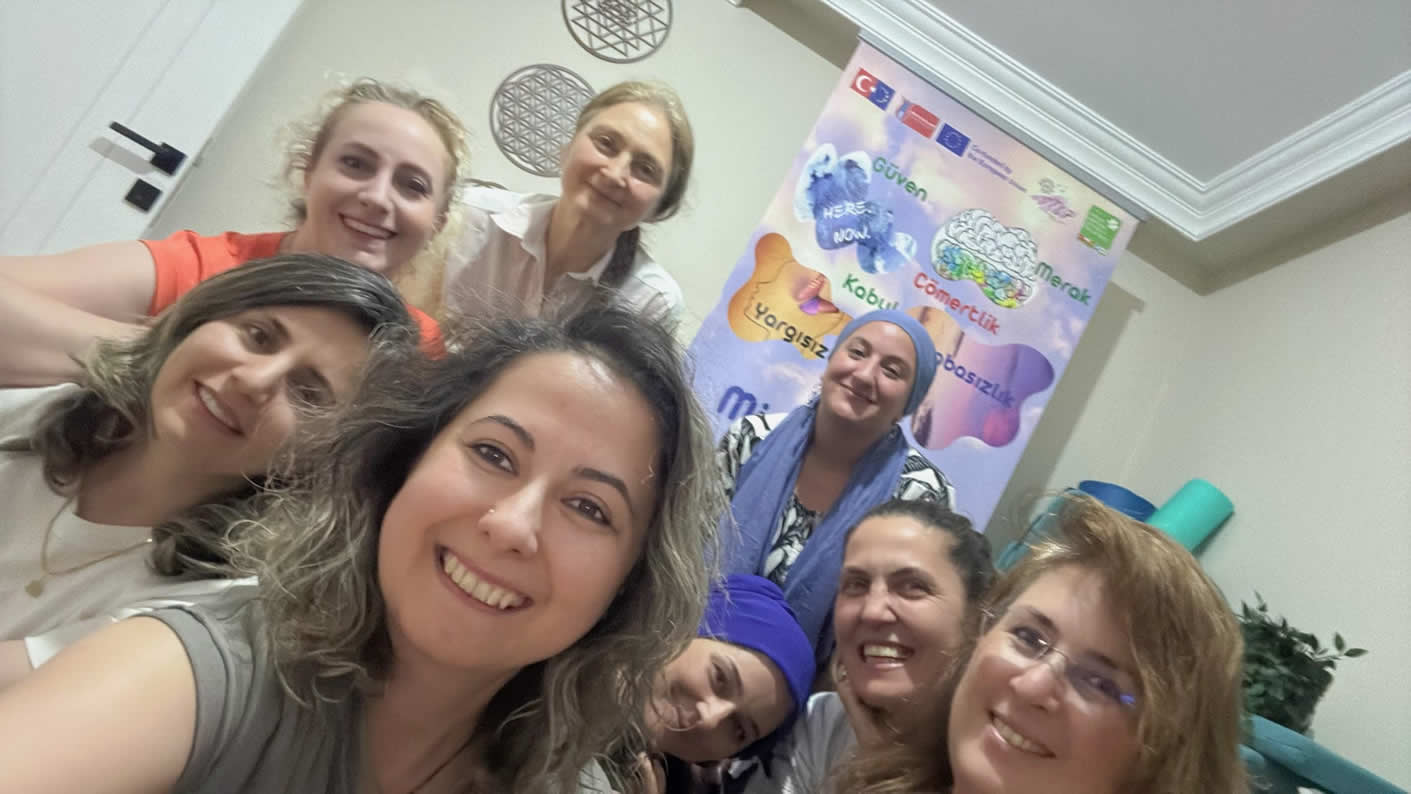
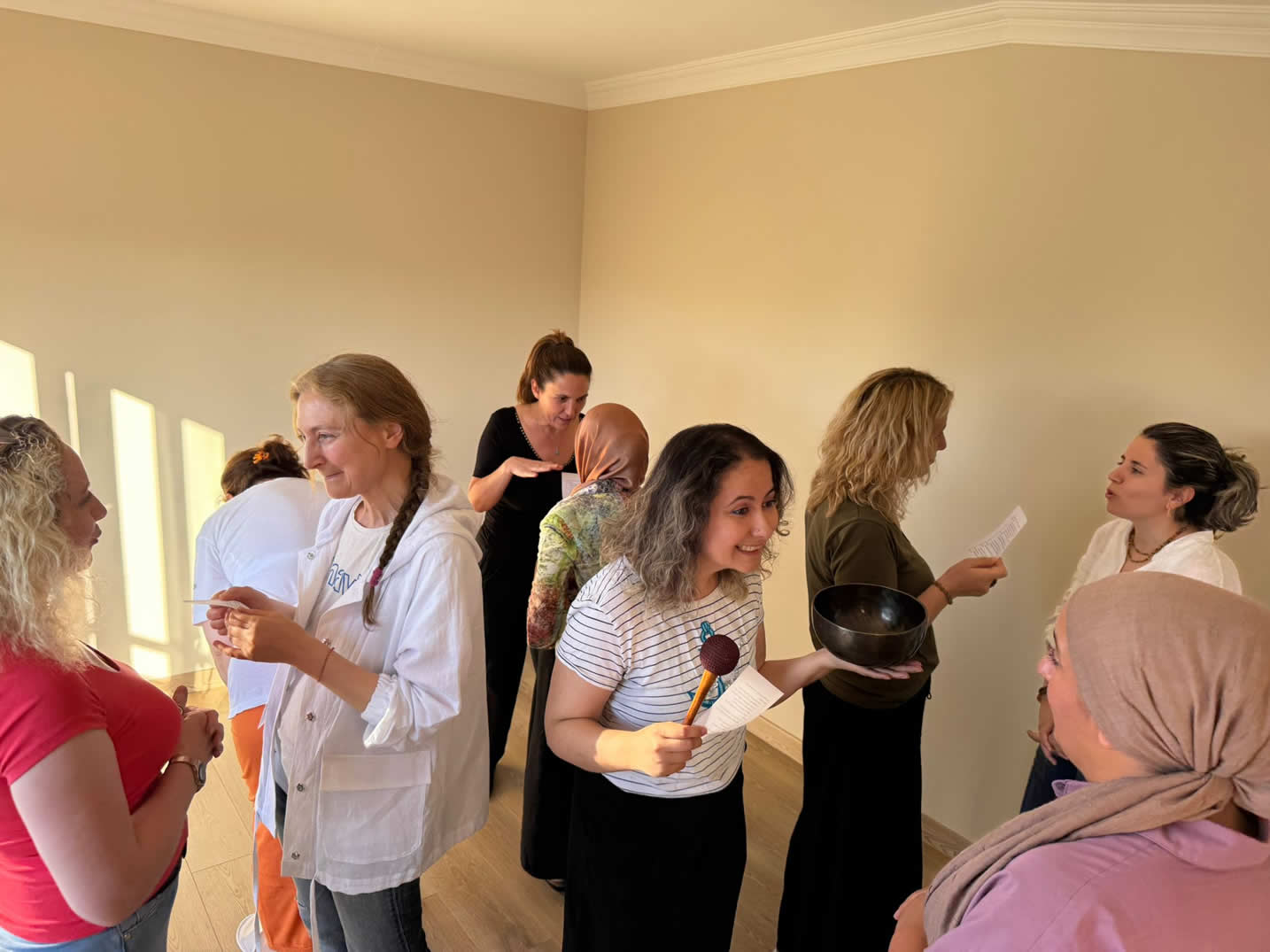
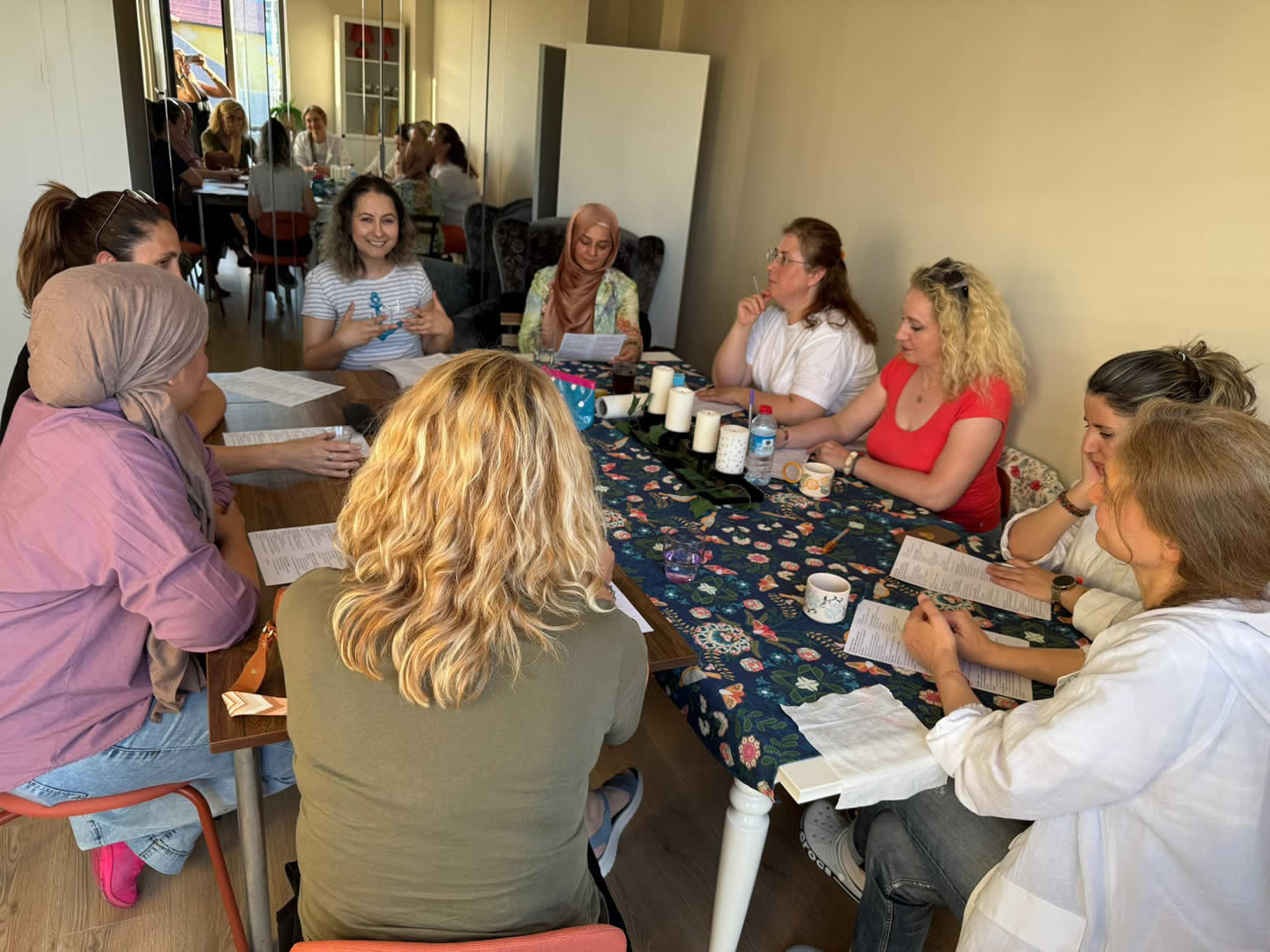



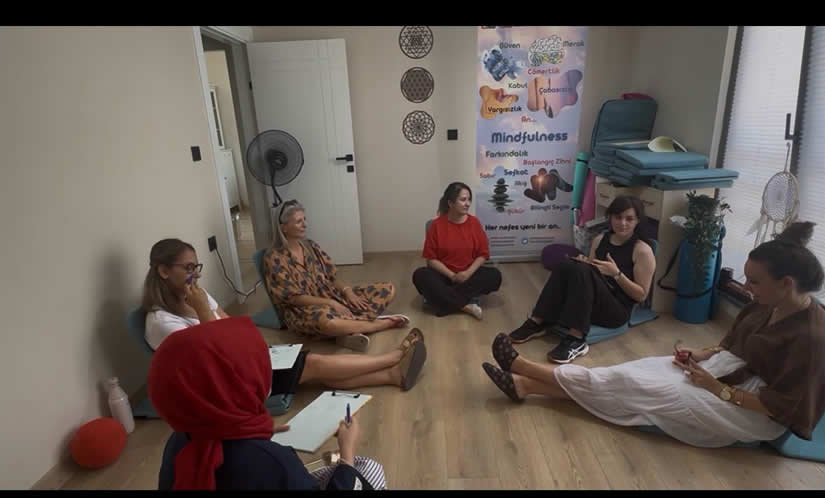
Teacher Trainings Successfully Completed
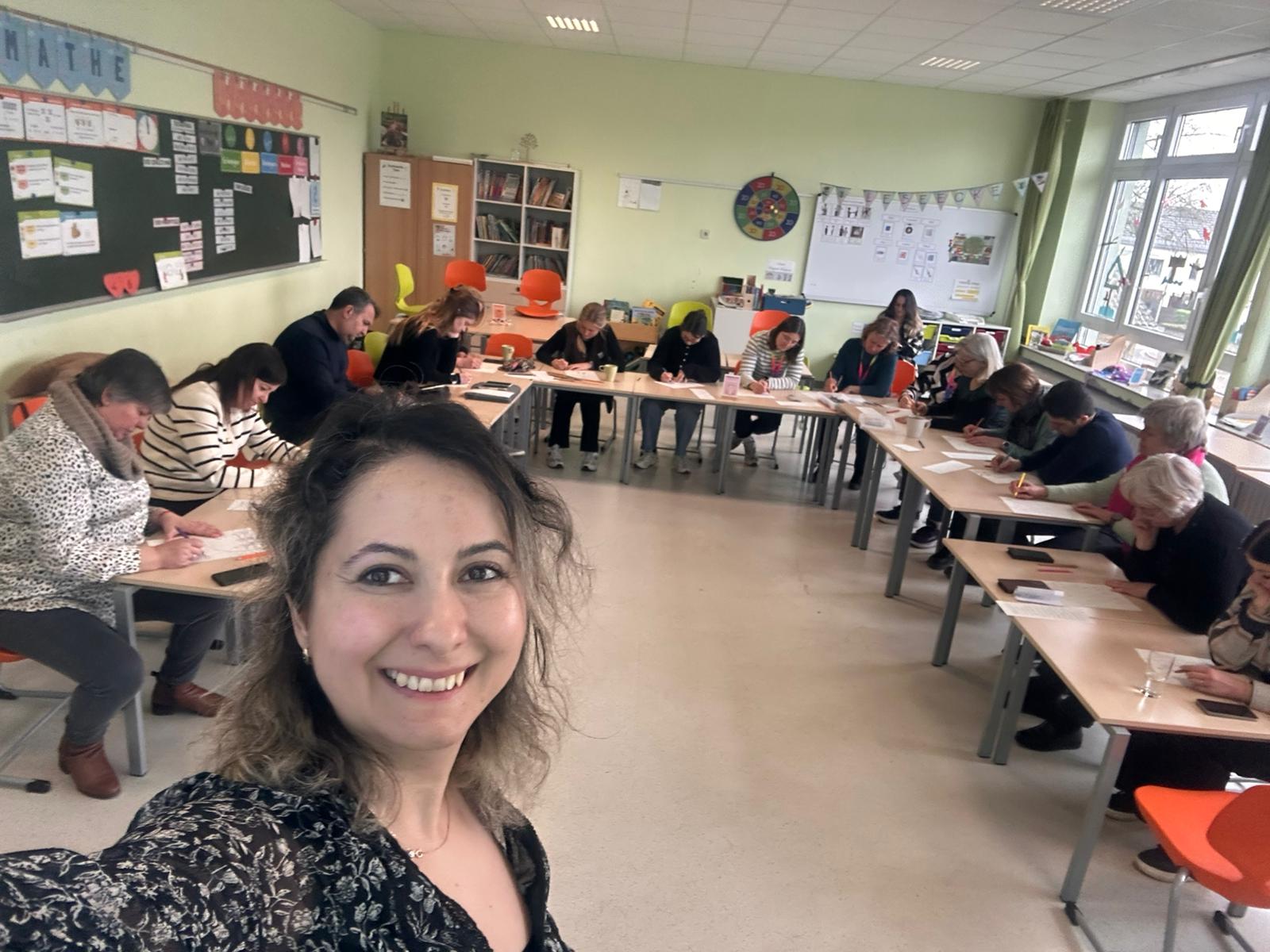
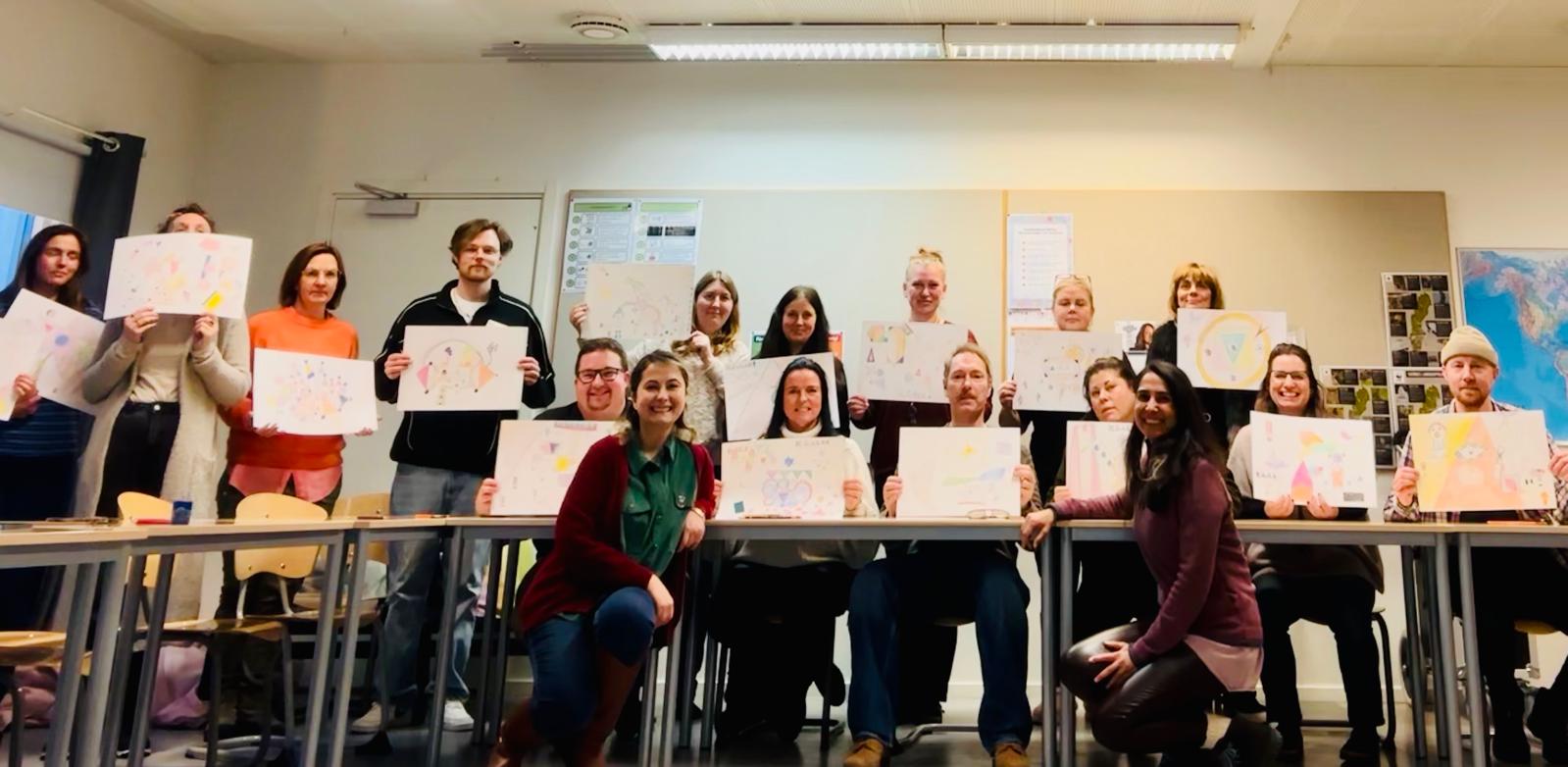
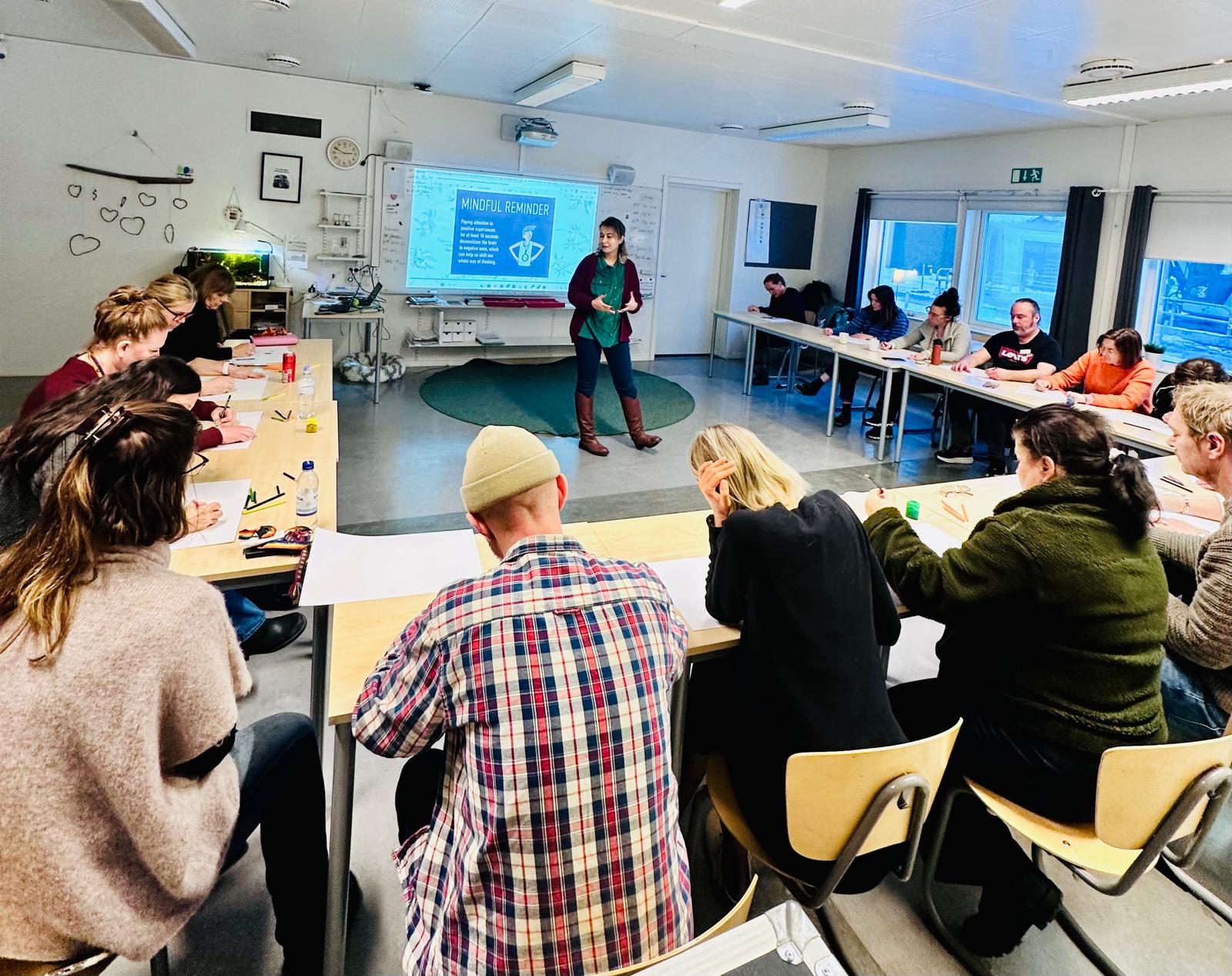
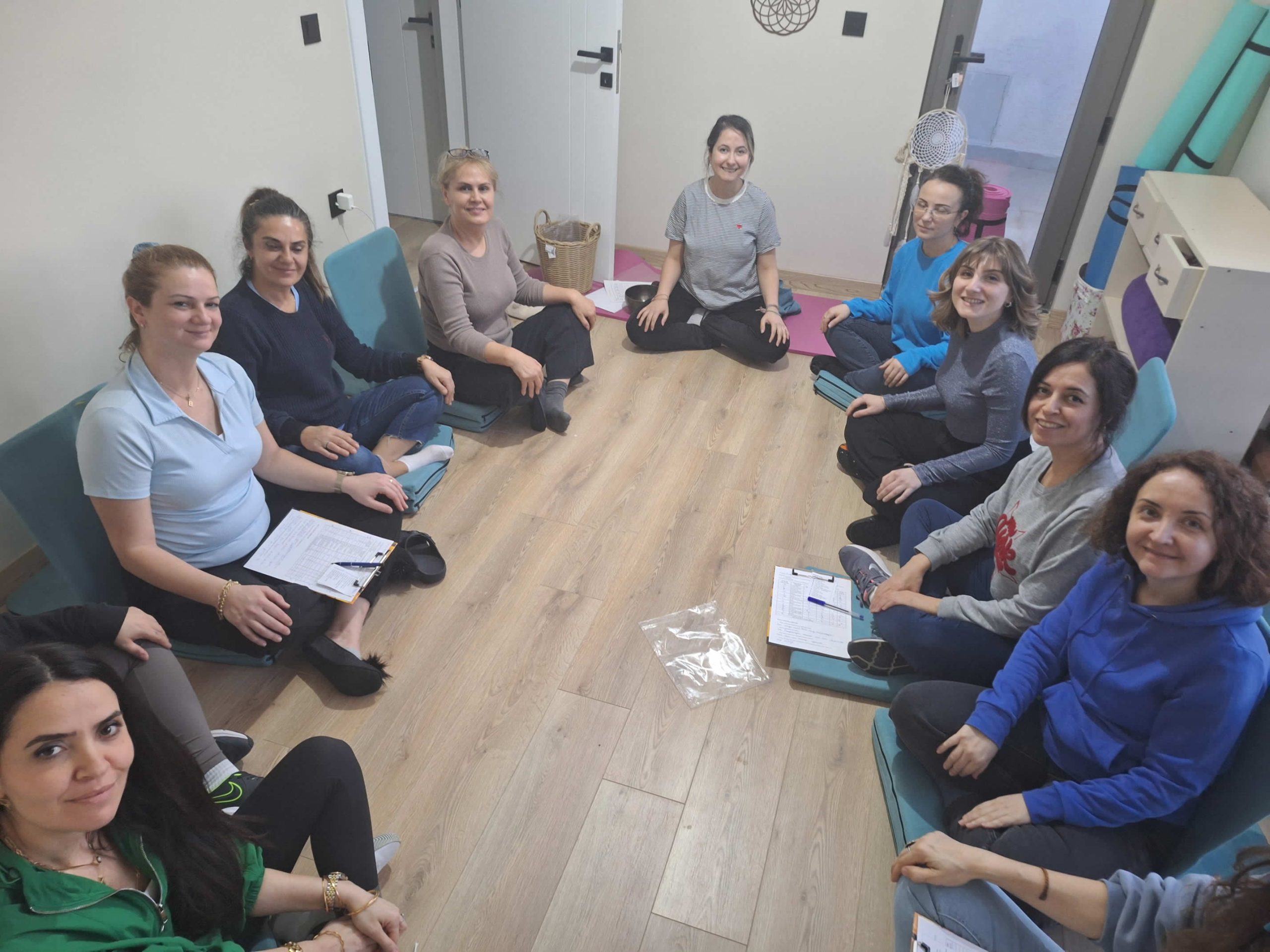
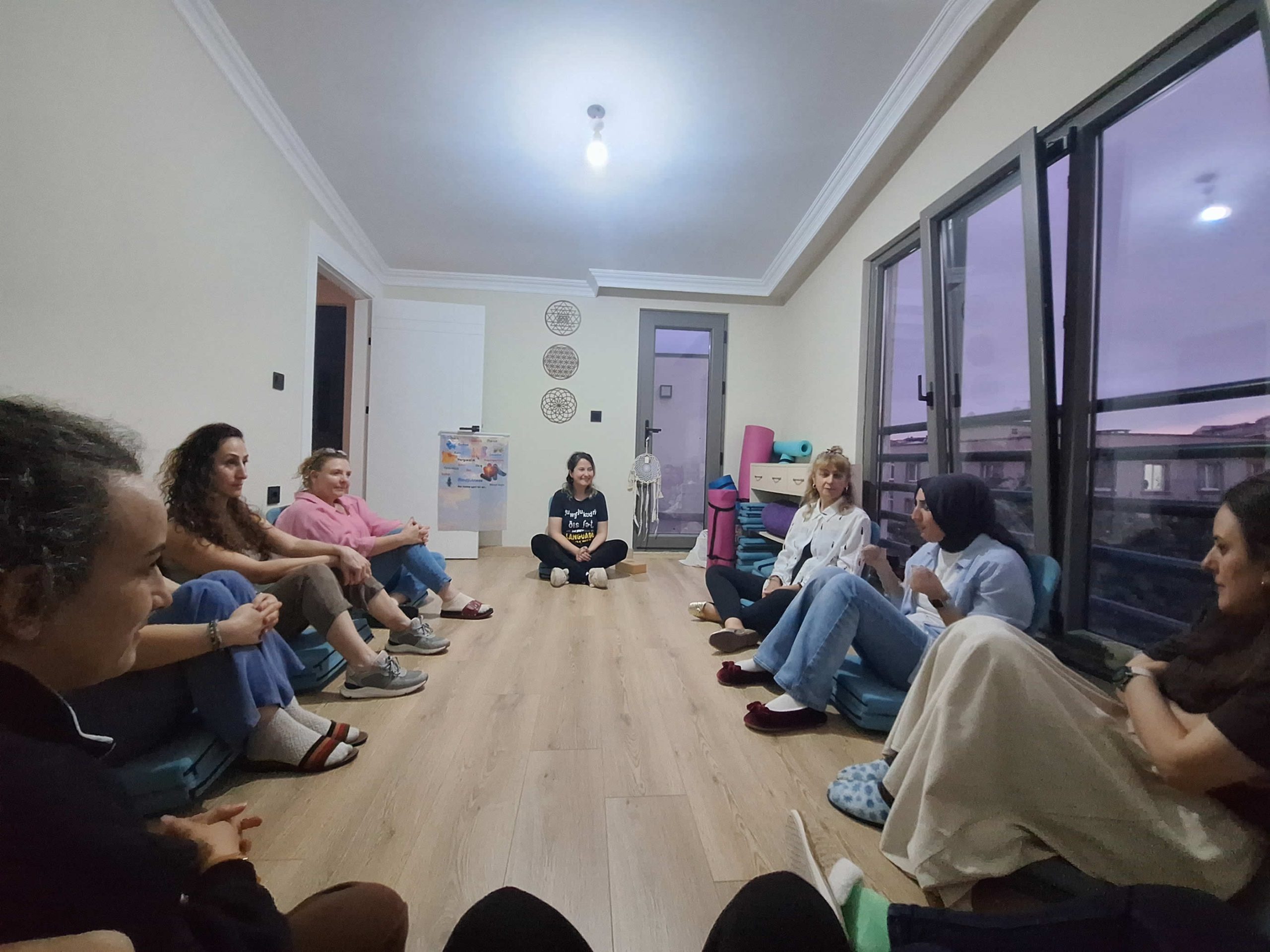
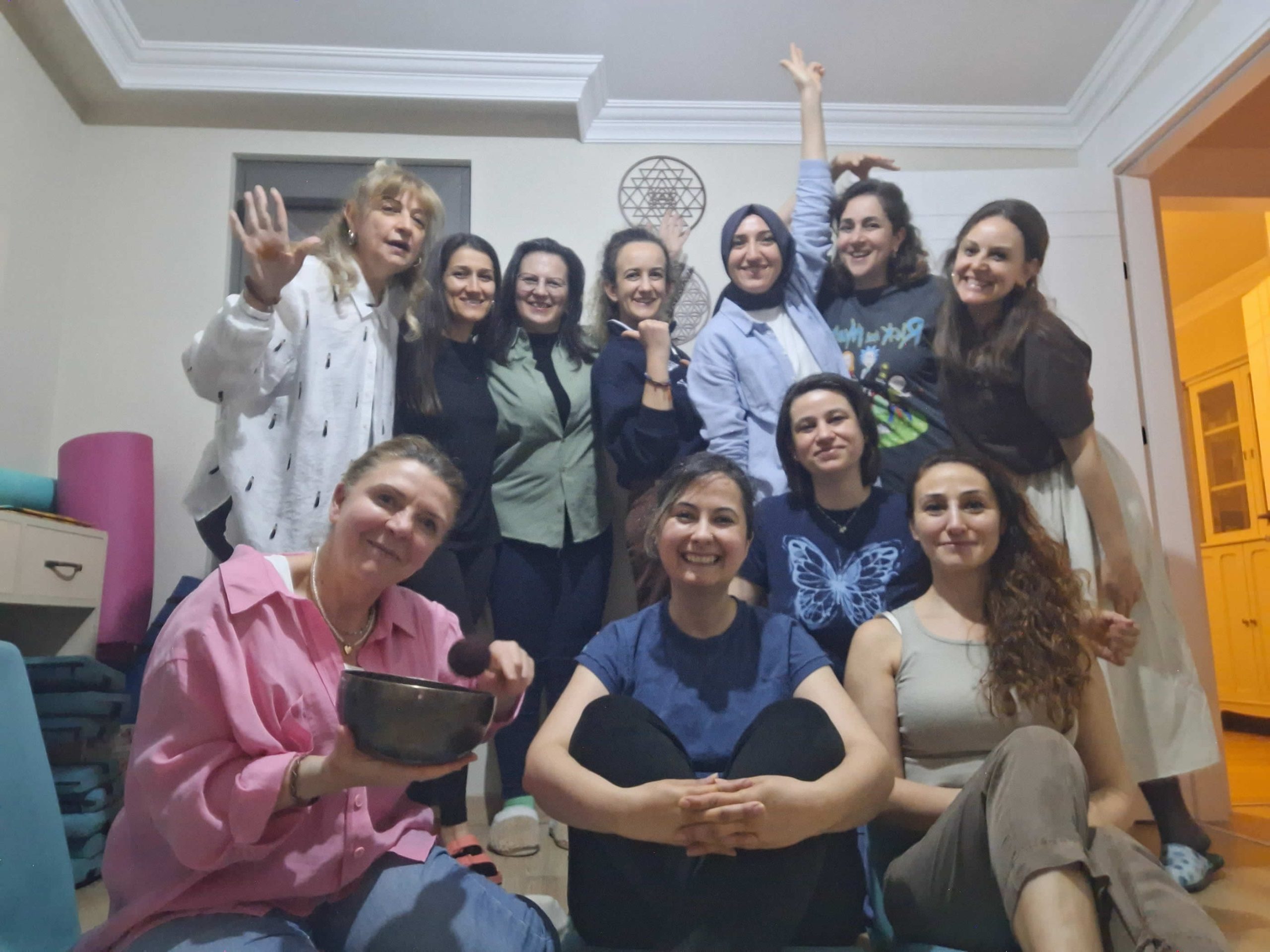
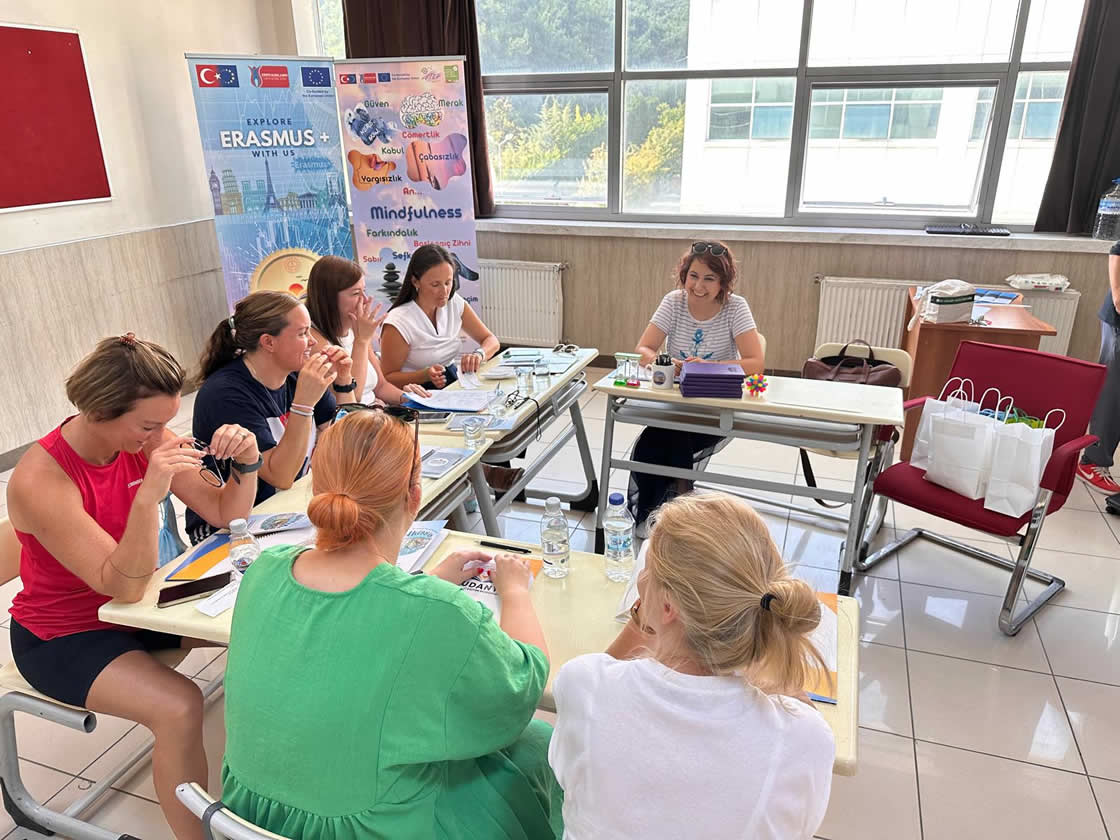
Throughout the Mindful Horizons project, a wide range of teacher training activities were successfully implemented in line with the objectives and commitments defined in the Erasmus+ KA220 project application. These included the development and piloting of the 5-module, 30-hour in-service training programme, specialised mindfulness training sessions, practical workshops, international learning and training activities, job-shadowing experiences, and additional teacher trainings organised in partner countries.
A total of 52 teachers successfully completed the full 5-module, 30-hour in-service training programme, exceeding the project target of at least 50 trained teachers. In addition to this structured programme, extra mindfulness trainings were delivered to teachers in three different partner countries, reaching a further 51 teachers with direct mindfulness training. These additional activities strengthened the international dimension of the project and supported the transfer of mindfulness knowledge and practices across different educational and cultural contexts.
The training activities combined theoretical knowledge with practical classroom application. Teachers explored mindfulness-based stress management, emotional regulation, attention and awareness practices, mindful communication, teacher well-being, inclusive education, and methods for integrating mindfulness into different subject areas. The programme was piloted, evaluated and revised according to participant feedback and practical implementation experiences.
The evaluation results were particularly strong. In the original project application, a Lesson Plan Utilization Rate of 70% or above was defined as a successful result, while a 51% positive change in post-implementation feedback was set as another key success indicator. The results achieved during the project significantly exceeded these benchmarks. Teacher satisfaction, reported use of the developed lesson plans, and the integration of mindfulness practices into regular classroom teaching reached approximately 90% in several evaluation areas, demonstrating a considerably higher level of impact than initially expected.
These findings show that the project did not only provide training opportunities, but also achieved a high level of transfer into actual classroom practice. Teachers actively used the project resources, incorporated mindfulness activities into their lessons, and reported high levels of satisfaction with the training and materials provided.
Through these activities, the project successfully fulfilled and, in several areas, exceeded its teacher training commitments: the 5-module, 30-hour training curriculum was developed, piloted, evaluated and revised; 52 teachers completed the full programme; an additional 51 teachers received mindfulness training across three partner countries; national and international workshops and training activities were organised; practical classroom implementation was supported; and the project’s lesson-plan utilisation, classroom integration and satisfaction results substantially exceeded the success thresholds originally defined in the project application.
These results make teacher training one of the strongest and most sustainable achievements of Mindful Horizons, ensuring that the knowledge, methods and resources developed during the project will continue to support educators, students and school communities beyond the project period.